IBC Container Solutions for Bulk Liquids & Powders
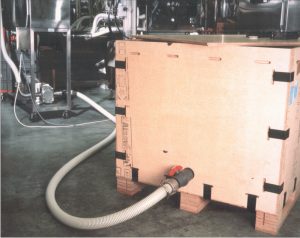
The Crocodile IBC container is re-usable, returnable and the most cost effective and secure transit and storage method on the market for bulk liquids and powders.


The Crocodile IBC container is re-usable, returnable and the most cost effective and secure transit and storage method on the market for bulk liquids and powders.
IBC containers – intermediate bulk containers – are versatile, reusable storage and transport solutions designed for bulk liquids and powders. They offer secure containment, efficient stacking, and cost-effective handling, making them ideal for industries requiring safe and hygienic storage.
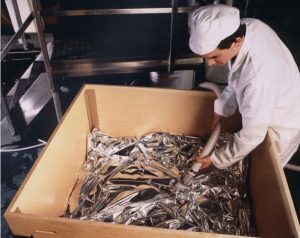
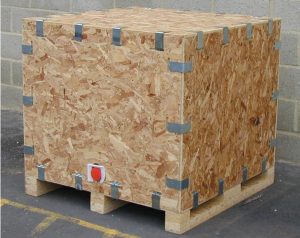
The Crocodile IBC container system stands out with its durable plywood construction, collapsible design, and fully-sealed internal bags that prevent contamination. It also reduces return and storage costs by collapsing to 20% of its original size.
IBC containers for liquids and powders are essential across various industries due to their efficiency and safety features. Key industries that rely on them include:
IBC containers are widely used across chemical, food and beverage, pharmaceutical, agriculture, oil and lubricants, and water treatment industries for handling bulk liquids and powders. They allow manufacturers and processors to store and move corrosive chemicals, sensitive ingredients, and viscous food products in a single, forkliftable unit, reducing manual handling and transfer steps. For operators, this means safer chemical management, better hygiene control for food and pharma products, and more efficient on-site dosing or batching.
Compared with drums, IBC containers offer higher usable capacity in a smaller footprint, so fewer units are needed for the same volume of product. Their integral pallet base and stackable design improve warehouse density and reduce the number of forklift movements, which can significantly cut labour hours in high-volume operations. Many sites also see lower product losses thanks to better valve design and easier decanting, improving yield and overall cost per litre handled.
Most industrial IBC containers are designed for multiple trips, but they require a defined cleaning and inspection protocol between fills, especially when switching products or handling hazardous chemicals. Effective programmes typically include complete emptying, internal and external washing with suitable media, visual checks for damage or corrosion, and leak or pressure testing before the next fill. Many operators use professional reconditioning services that clean, test, relabel, and document the containers to support both compliance and sustainability goals.
Food and beverage producers typically specify food-grade HDPE IBC containers with compatible gaskets and valves to ensure hygienic, contamination-free handling of edible oils, syrups, juices, and similar products. Pharmaceutical manufacturers often prefer stainless steel IBCs, which provide excellent cleanability and chemical resistance to support stringent hygiene and validation requirements. For aggressive chemicals, operators select HDPE or stainless steel constructions that offer proven chemical compatibility and, where necessary, certification for hazardous goods.
Need an IBC container solution? Crocodile Packaging can help, so get in touch with us today to discuss your requirements.